Benign Prostatic Hyperplasia (BPH)
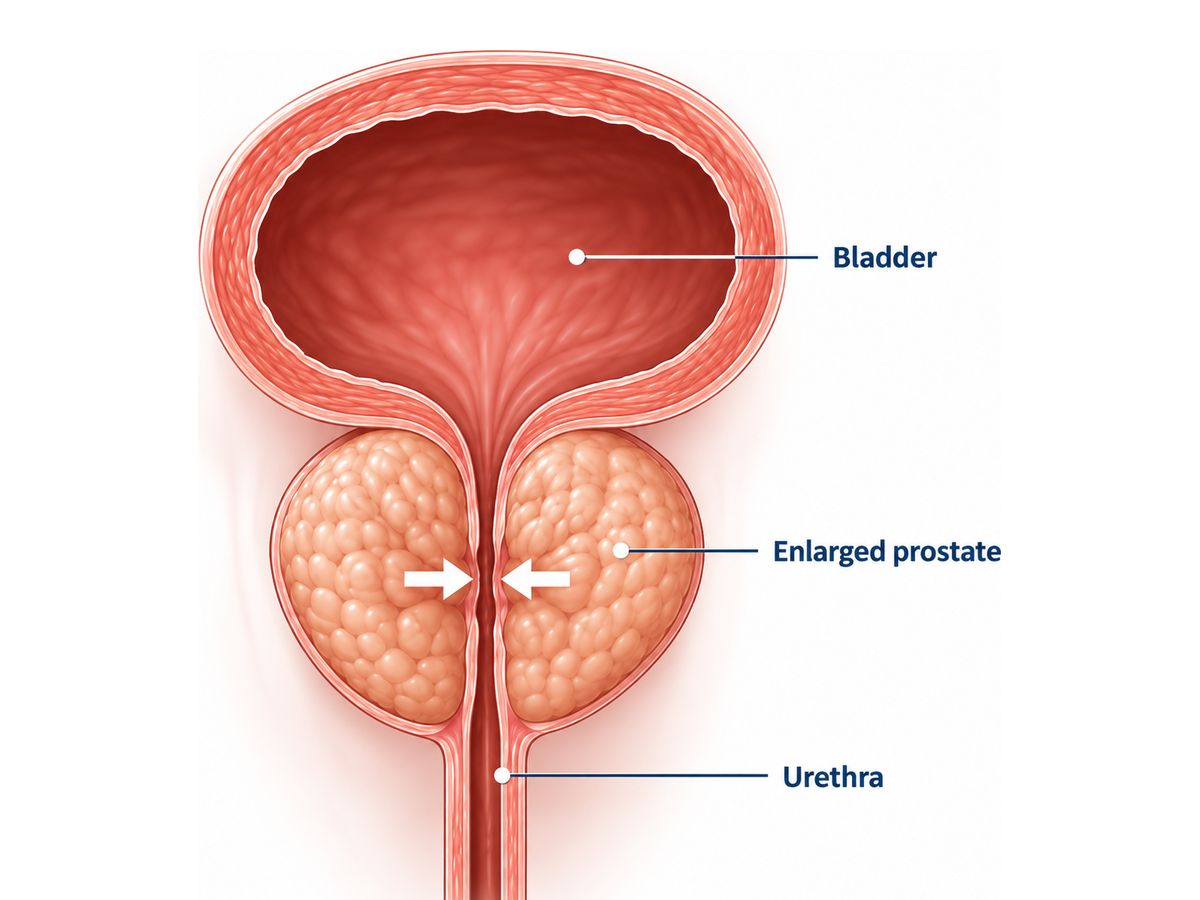
A non-cancerous enlargement of the prostate that may affect urine flow and cause changes in urinary habits.


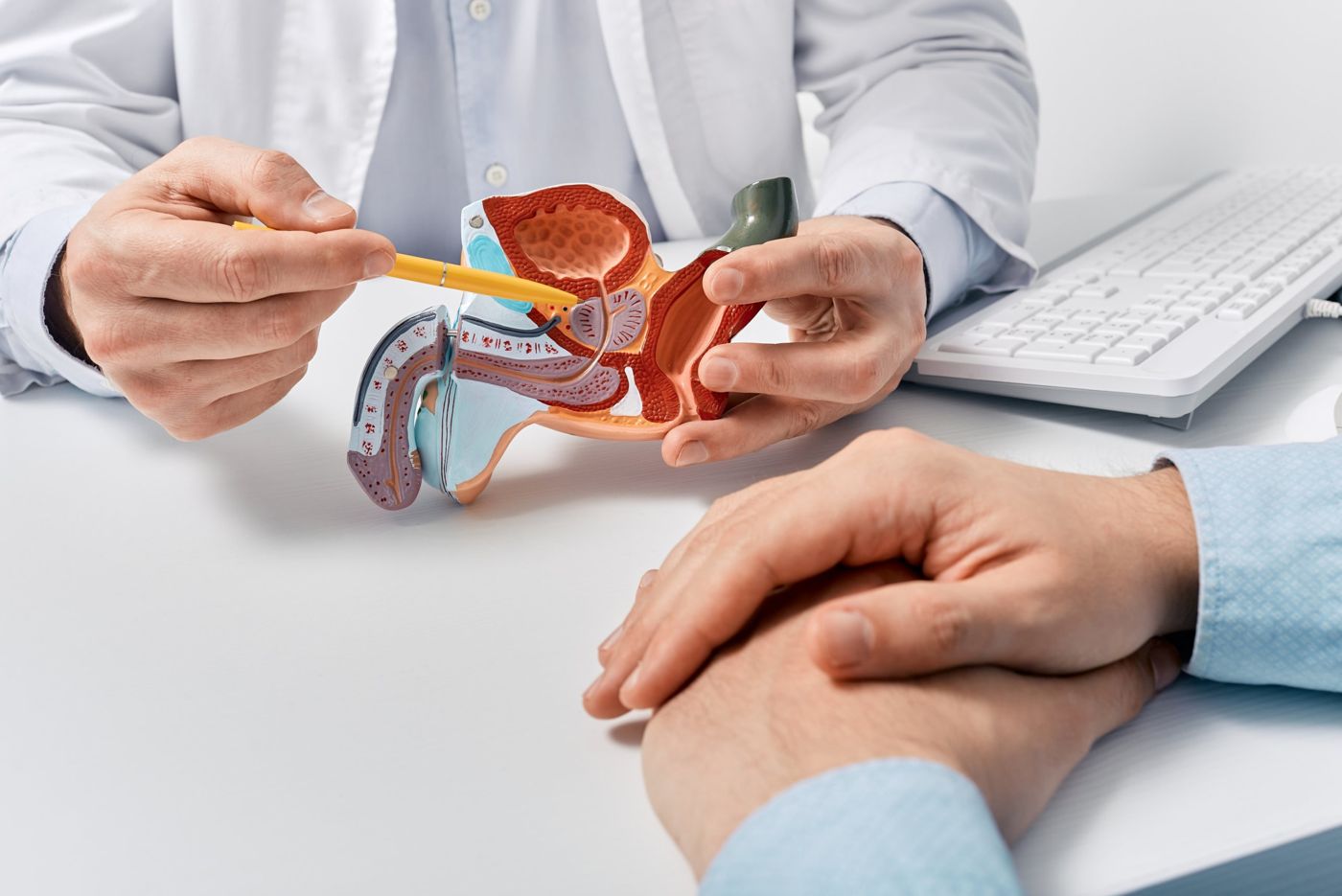
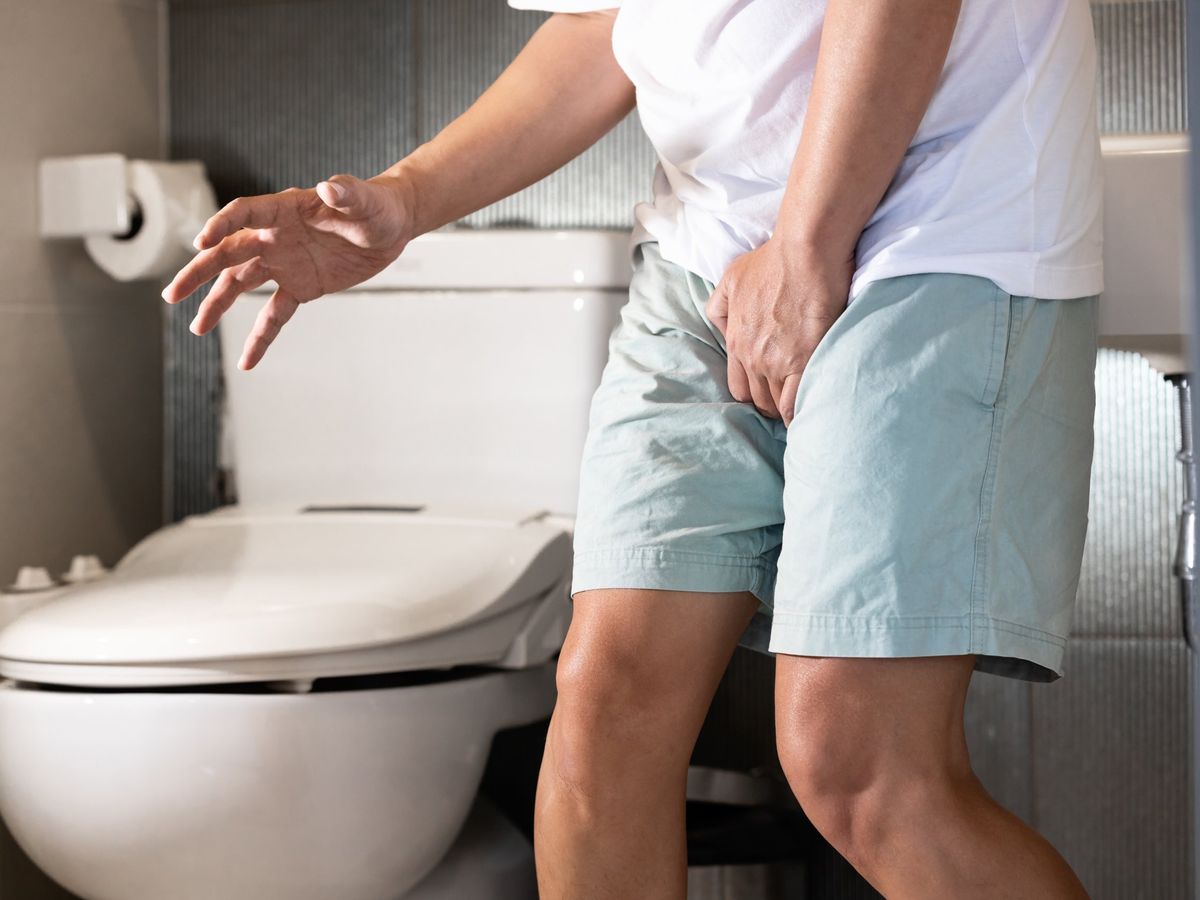
Changes in urinary habits can be so gradual that they barely register as a problem. A weaker stream or more frequent trips to the toilet may simply become part of someone’s routine. However, even seemingly minor changes can sometimes indicate an underlying prostate condition and should not automatically be dismissed as part of ageing.
Changes in the prostate can arise for different reasons, and identifying the underlying condition is important in determining whether treatment is needed.
A non-cancerous enlargement of the prostate that may affect urine flow and cause changes in urinary habits.
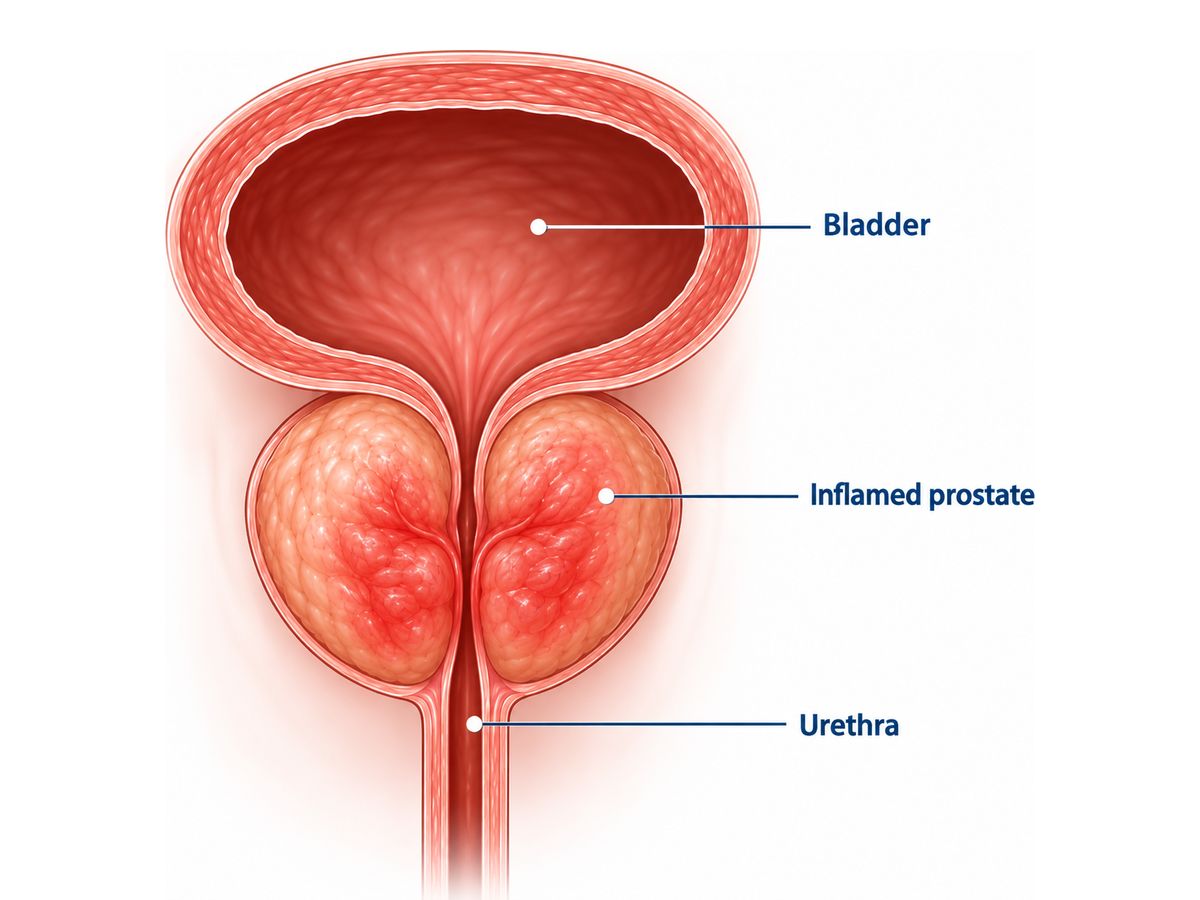
Inflammation of the prostate that may cause pelvic discomfort, painful urination or changes in urinary habits.
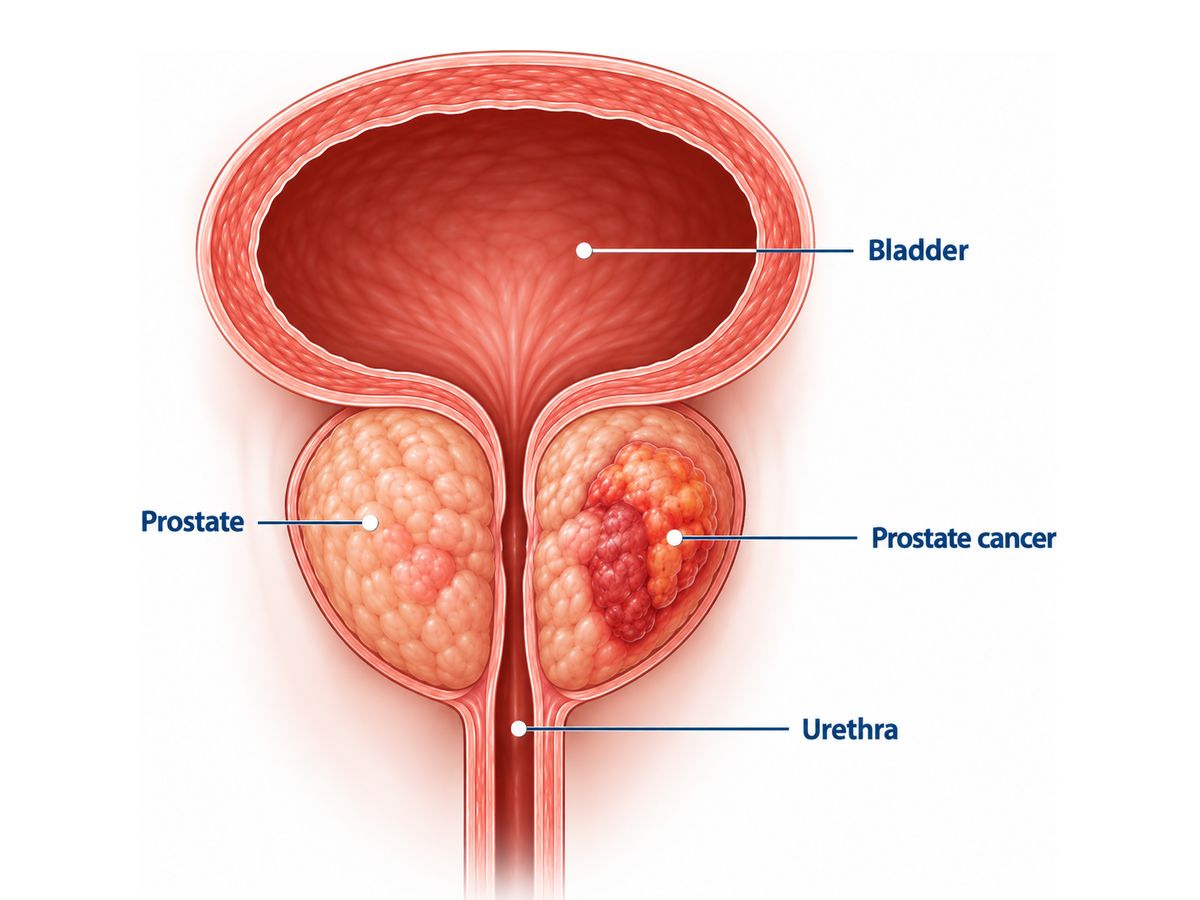
Abnormal cell growth within the prostate that may develop without noticeable symptoms, particularly in its early stages.
Changes in urinary habits may develop gradually, making them easy to overlook. Other symptoms, such as pelvic discomfort or pain during urination, may become noticeable more suddenly.
These symptoms can have causes beyond the prostate and do not necessarily indicate a serious condition. Some prostate conditions, particularly early prostate cancer, may also develop without noticeable symptoms.
If you’ve experienced changes in urination or persistent discomfort, an assessment can help identify the possible cause.
Similar symptoms can arise from different prostate and urinary conditions. Assessment helps establish the underlying cause and determine whether treatment is necessary, taking into account the diagnosis, clinical findings and how the condition is affecting you.
Symptoms, examination findings and relevant investigations
Based on the diagnosis, clinical findings and individual needs
Observation and follow-up where appropriate
Medical treatment suited to the condition
Intervention when clinically indicated
Changes in urinary habits or persistent pelvic discomfort may warrant medical assessment, particularly when they begin to affect daily activities. You do not need to wait until symptoms become severe to seek advice.
Certain symptoms require more prompt attention:
Men with a family history of prostate cancer may also benefit from discussing screening with a doctor, even without symptoms.
Dr Jonathan Teo’s clinical experience includes surgical treatment for benign prostatic hyperplasia (BPH), with minimally invasive BPH procedures among his areas of special interest.
Dr Teo has published academic articles on BPH treatment during his time in Singapore’s public healthcare sector, alongside his clinical work in urology.
His academic appointments include teaching roles at NUS, Duke-NUS and NTU, as well as training urology residents through the SingHealth Urology Residency Programme.
Dr Teo helped establish the Urology Department at Sengkang General Hospital in 2018, contributing to the development of specialist urological services at the hospital.
Medical Director & Consultant Urologist
MBBS (S’pore), MRCS (Edin), FRCS-Urol (Glas), FAMS (Urol)
Dr Jonathan Teo is the medical director and consultant urologist at Urology Practice, with extensive experience in managing prostate conditions, including benign prostatic hyperplasia (BPH) and prostate cancer. His clinical background includes serving as a consultant urologist at Singapore General Hospital, where he was also Director of Andrology.
His experience in BPH surgery and minimally invasive treatments allows him to discuss a range of management options with patients whose symptoms are not adequately controlled by medication. Treatment recommendations take into account symptom severity, bladder function and whether a procedure is appropriate for the individual’s condition.
Noticing changes in your urinary habits is reason enough to seek medical advice, even if the cause or need for treatment is unclear. Schedule a consultation today.
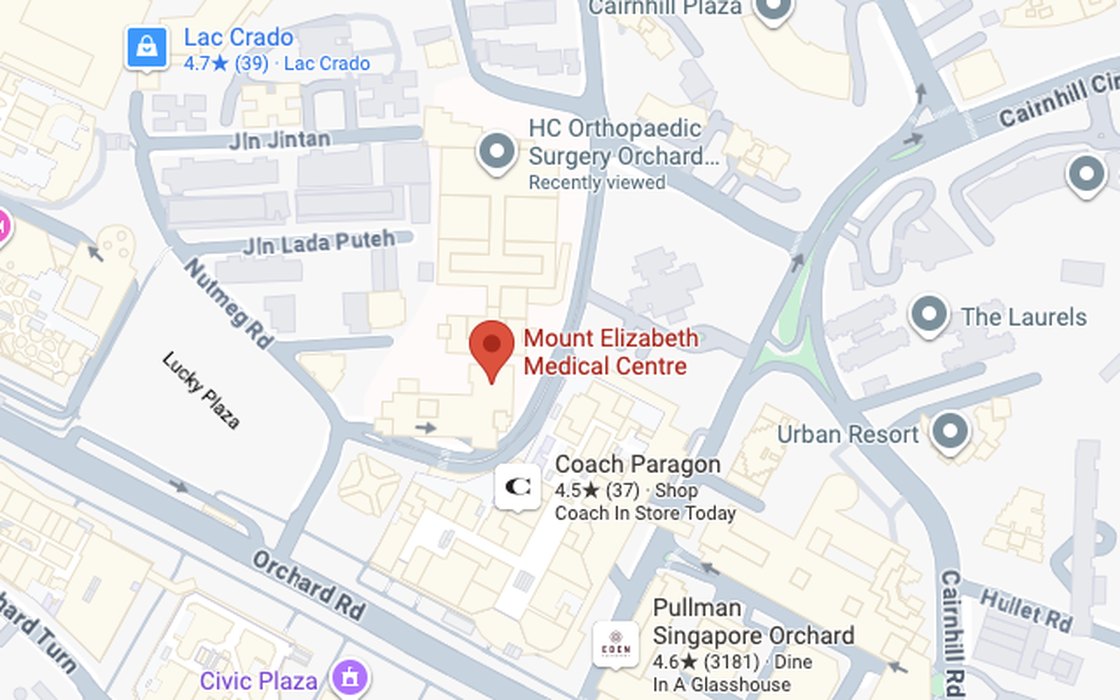
3 Mount Elizabeth, #04-09
Mount Elizabeth Medical Centre,
Singapore 228510
820 Thomson Road, #03-08
Mount Alvernia Medical Centre A,
Singapore 574623
Operating Hours
Closed on Sundays and Public Holidays
About Us
Medical Director & Consultant Urologist
MBBS (S’pore), MRCS (Edin)
FRCS-Urol (Glas), FAMS (Urol)
Dr Jonathan Teo is a consultant urologist with experience managing prostate conditions, including benign prostatic hyperplasia (BPH) and prostate cancer. His clinical background spans medical and surgical urology across Singapore’s public and private healthcare sectors.
Before entering private practice, Dr Teo served as a consultant urologist and Director of Andrology at Singapore General Hospital. His public-sector career also included contributions to clinical leadership, specialist training and urological research.
Dr Teo’s clinical experience includes the medical and surgical management of benign prostatic hyperplasia (BPH), with minimally invasive BPH procedures among his areas of special interest. He also manages prostate cancer and other urological conditions, drawing on his experience across both public and private healthcare.
Dr Teo graduated from the Yong Loo Lin School of Medicine at the National University of Singapore in 2006 before obtaining postgraduate surgical qualifications from the Royal College of Surgeons of Edinburgh and the Royal College of Physicians and Surgeons of Glasgow. He subsequently completed his specialist urology training through the SingHealth Urology Residency Programme.
During his public-sector career, Dr Teo served at Singapore General Hospital and played a role in establishing the Urology Department at Sengkang General Hospital when the hospital opened in 2018. His involvement contributed to the development of specialist urological services at the hospital.
Beyond clinical practice, Dr Teo served on committees responsible for evaluating drugs, medical devices and implants at Singapore General Hospital. He was also a member of the Ministry of Health Singapore’s Medical Device Committee.
Prostate symptoms can have different underlying causes. Dr Jonathan Teo draws on his clinical experience to identify what warrants further investigation and guide appropriate care.
Following his specialist urology training, Dr Teo pursued subspecialty training in andrology in South Korea, the United Kingdom and the United States.
His international engagement has continued through overseas workshops, masterclasses and professional exchanges, as well as speaking engagements at international and regional medical programmes. These opportunities allow him to exchange knowledge with fellow urologists and remain informed about developments in urological care.
This broader perspective informs his clinical practice, including his consideration of evolving treatment approaches where appropriate for each patient.
Dr Teo has contributed to urological research, including published academic work on BPH treatment and andrology. His involvement in research complements his clinical experience in managing prostate conditions.
He has also held teaching appointments at several of Singapore’s medical schools, including the National University of Singapore, Duke-NUS Medical School and Nanyang Technological University. As a faculty member of the SingHealth Urology Residency Programme, he was involved in training future urologists.
Dr Teo’s involvement in community work extends beyond his responsibilities as a urologist. As an active grassroots leader with the People’s Association, he contributes to initiatives supporting the wider community.
Outside his clinic and community commitments, Dr Teo enjoys diving and cycling in his free time.
Whether you’re experiencing urinary changes or considering treatment for an existing prostate condition, Dr Jonathan Teo can help you understand your options and determine an appropriate next step.
3 Mount Elizabeth, #04-09
Mount Elizabeth Medical Centre,
Singapore 228510
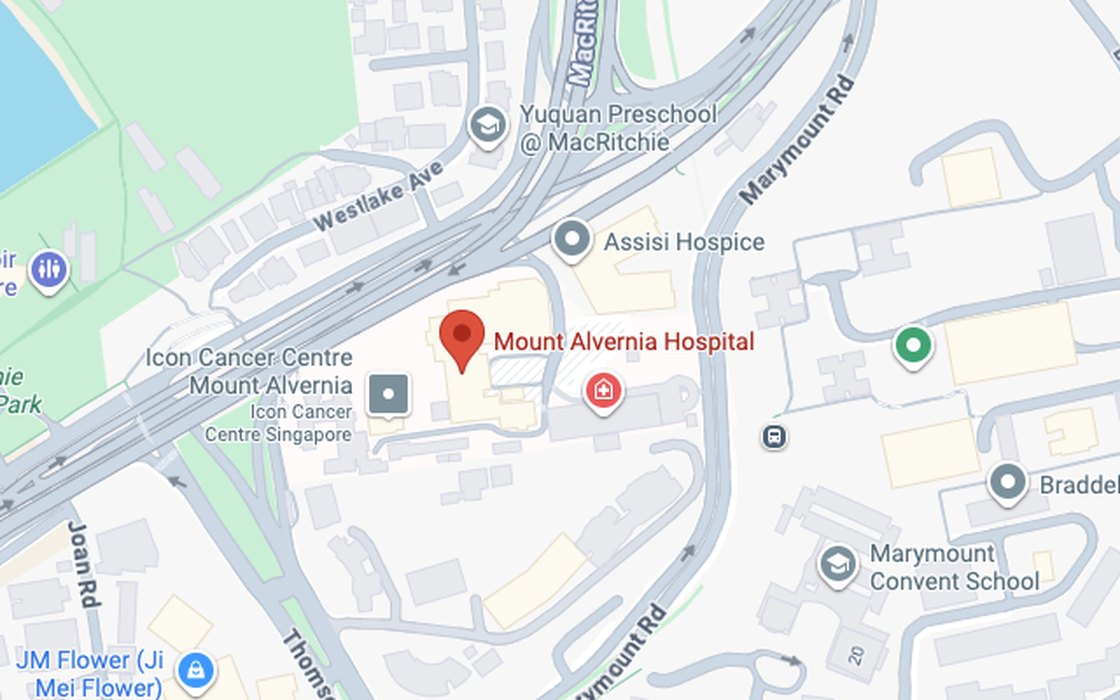
820 Thomson Road, #03-08
Mount Alvernia Medical Centre A,
Singapore 574623
Operating Hours
Closed on Sundays and Public Holidays
Prostate Conditions
Changes in urinary habits can raise questions about prostate health, particularly as men get older. Yet similar symptoms may arise from different conditions, and some prostate problems develop without noticeable symptoms.
Benign prostatic hyperplasia (BPH), prostatitis and prostate cancer affect the gland differently and do not necessarily require the same approach to care.
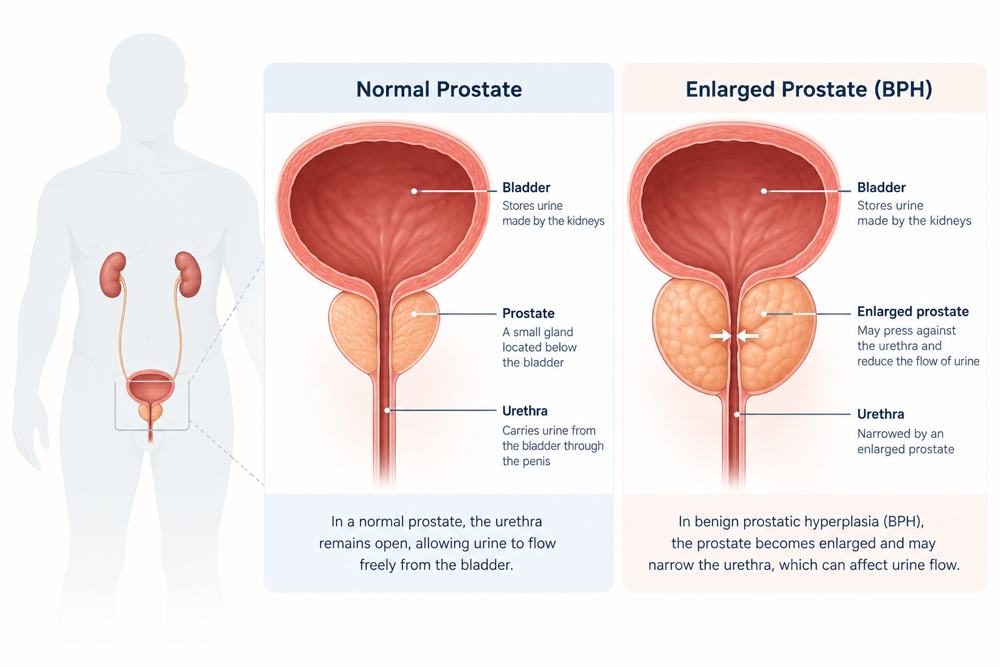
BPH is a non-cancerous enlargement of the prostate that becomes more common with age.
Hormonal changes contribute to prostate growth, although the exact causes are not fully understood. Enlargement may narrow the urethra and affect urine flow.
Prostatitis involves inflammation of the prostate, sometimes due to bacterial infection.
Chronic prostatitis / chronic pelvic pain syndrome can also cause persistent pelvic discomfort without an identifiable bacterial infection.
Prostate cancer develops when abnormal cells grow within the gland.
Age, family history and certain inherited genetic changes can increase the risk. Some cancers progress slowly, although others may behave more aggressively.
Urinary changes can be difficult to interpret on your own. Speak with Dr Jonathan Teo about what you’ve noticed and whether an assessment may be appropriate.
Prostate conditions don’t always show themselves in the same way. Noticing how your urinary habits or comfort change over time can help you and your doctor decide whether further assessment is needed.
Early prostate cancer often causes no noticeable symptoms. Men with relevant risk factors, including a family history of prostate cancer, may benefit from discussing screening even without urinary complaints.
The choice of investigations depends on the clinical findings and suspected prostate condition.
Once the underlying condition has been identified, the findings can help determine whether treatment is needed and which approaches may be appropriate.
No. Benign prostatic hyperplasia (BPH) is not cancer and does not develop into prostate cancer. However, both conditions can occur in the same person. Having BPH does not rule out the possibility of prostate cancer.
Yes. Certain prostate conditions may be associated with painful ejaculation, erectile difficulties or changes in sexual function. Some prostate treatments can also affect ejaculation or erections. The effects depend on the underlying condition and the treatment involved.
Haemorrhoids and certain prostate conditions can cause discomfort in nearby areas. Haemorrhoids typically cause anal itching, bleeding or pain, whereas prostatitis may cause deeper pelvic or perineal discomfort. Haemorrhoids do not cause prostate enlargement, inflammation or cancer.
Meet Our Doctor
Medical Director & Consultant Urologist
MBBS (S’pore), MRCS (Edin), FRCS-Urol (Glas), FAMS (Urol)
Dr Jonathan Teo evaluates suspected prostate conditions, including benign prostatic hyperplasia (BPH), prostatitis and prostate cancer. His approach takes into account how symptoms have developed and the findings from clinical investigations to determine whether further assessment is needed.
Dr Teo also participates in international urology conferences and professional exchanges, keeping him engaged with developments in urological care. These opportunities provide exposure to different clinical perspectives that inform his approach to prostate health.
Unexplained urinary changes or abnormal screening results may warrant further assessment. Consult Dr Jonathan Teo to understand what your findings may indicate.
3 Mount Elizabeth, #04-09
Mount Elizabeth Medical Centre,
Singapore 228510
820 Thomson Road, #03-08
Mount Alvernia Medical Centre A,
Singapore 574623
Operating Hours
Closed on Sundays and Public Holidays
Prostate Treatments
Prostate conditions can become more difficult to manage when they progress or begin causing complications. Addressing them at an appropriate stage may help prevent avoidable problems and preserve quality of life.
At our clinic, Dr Jonathan Teo provides care for men with prostate conditions, with treatment recommendations guided by the diagnosis and its impact on their health.
Treatment decisions consider the nature of the condition alongside factors that may affect its management. Several factors may influence the decision:
Worsening urinary symptoms, complications or evidence of disease progression may warrant more active treatment.
Prostate size, the degree of urinary obstruction or the characteristics of a diagnosed cancer can influence which options are suitable.
Existing medical conditions and fitness for a procedure may affect treatment recommendations.
Concerns about recovery, potential side effects and the impact on sexual function may influence treatment choices.
Your condition deserves attention that goes beyond a standard treatment plan. Dr Jonathan Teo considers how your prostate condition affects you when recommending an appropriate course of care.
Treatment for BPH focuses on relieving urinary difficulties caused by prostate enlargement and reducing the risk of complications. The approach depends on how much bladder function and everyday activities are affected.
Mild symptoms may be managed through regular monitoring and changes to everyday habits. These may include:
Medication may be recommended when urinary symptoms become more troublesome. Common options include:
These medications work differently and may sometimes be prescribed together.
Procedures may be considered when symptoms remain troublesome despite medication or when complications such as urinary retention occur. The techniques differ in how they relieve obstruction, with some repositioning enlarged tissue and others removing or reducing it.
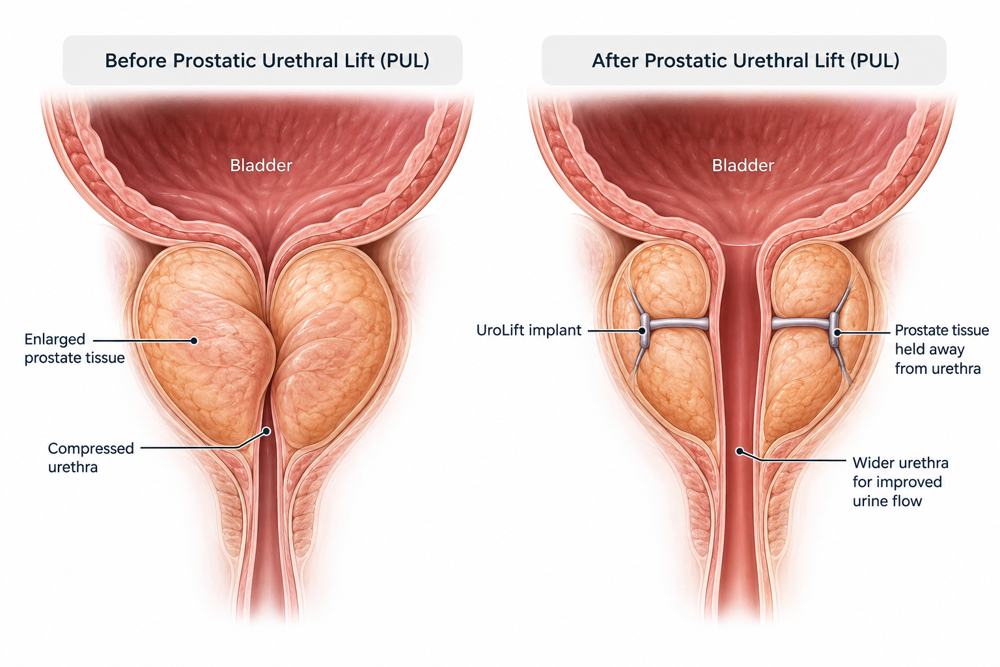
A prostatic urethral lift uses small implants to hold enlarged prostate tissue away from the urethra, widening the passage for urine. The procedure does not involve cutting or removing prostate tissue and may be suitable for selected patients, depending on prostate anatomy.
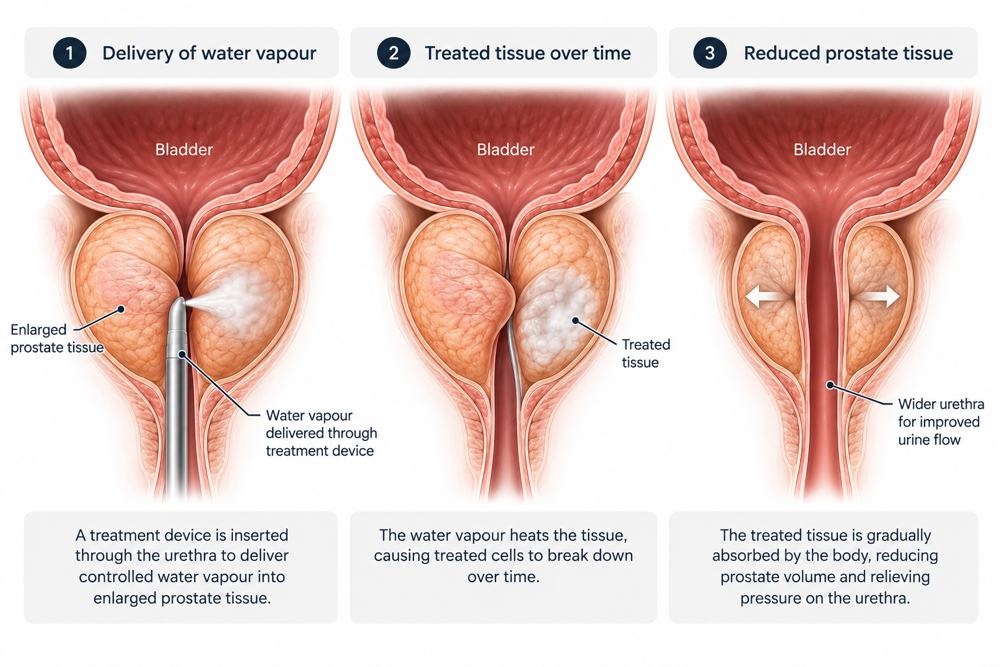
Water vapour therapy delivers controlled steam into enlarged prostate tissue through an instrument inserted into the urethra. The treated tissue gradually reduces in volume as the body absorbs it, helping relieve pressure on the urinary passage.
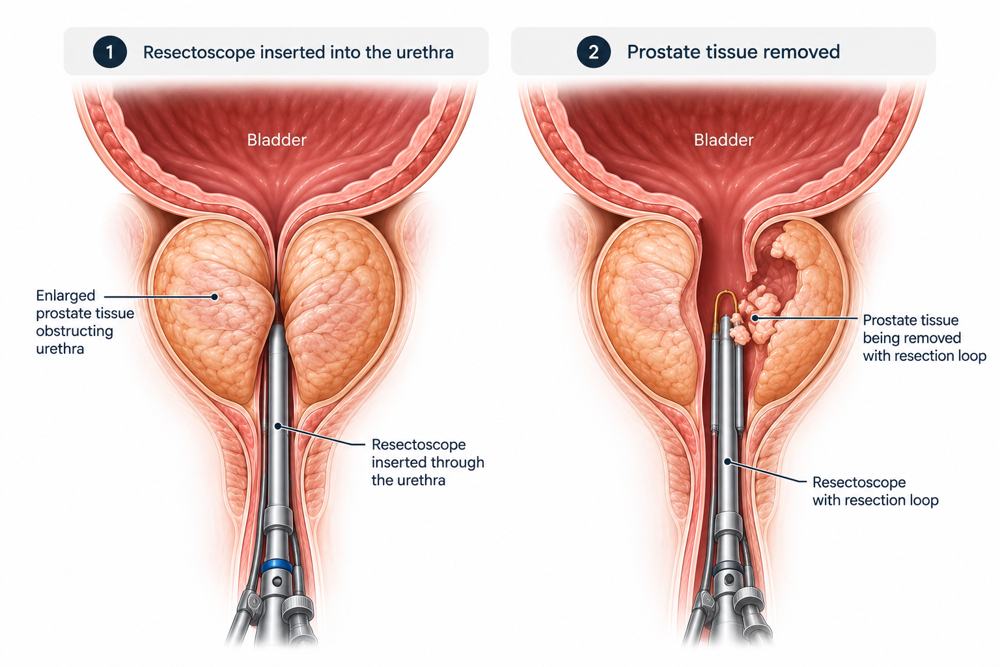
TURP involves passing a surgical instrument through the urethra to remove prostate tissue obstructing urine flow. It is an established surgical option for BPH and does not require an external incision.
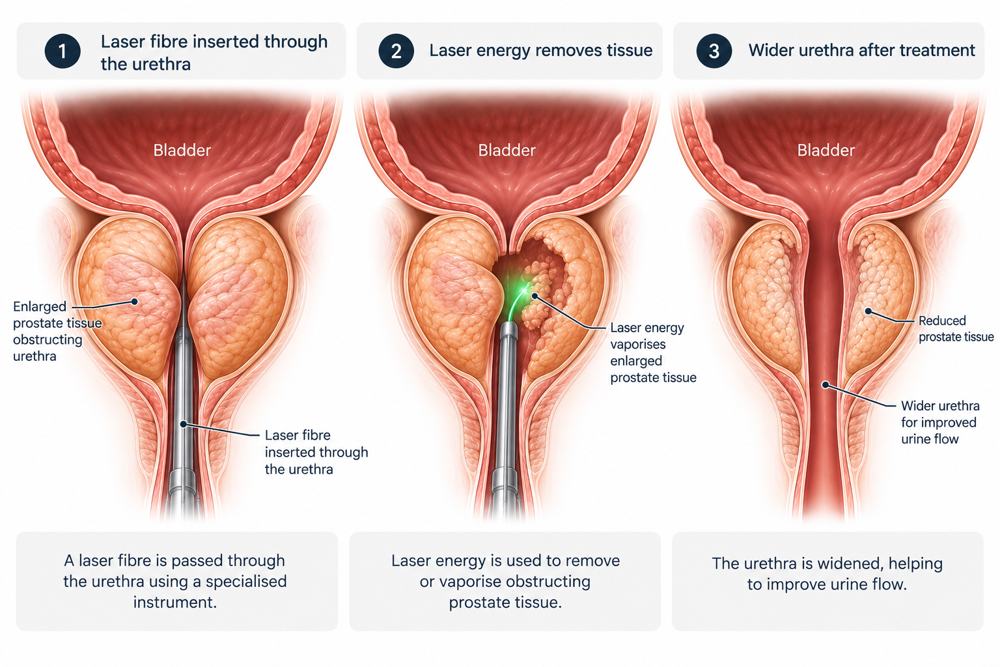
Laser techniques can remove or vaporise enlarged prostate tissue through an instrument passed along the urethra. The method used depends on the prostate’s characteristics and the type of laser procedure being considered.
Recovery depends on the treatment received. Medication may take time to improve urinary symptoms, whereas procedures can involve temporary discomfort or blood in the urine.
After certain procedures, a urinary catheter may be needed for a short period. Follow-up may include assessing urine flow and checking whether symptoms have improved.
Bacterial prostatitis is treated with antibiotics, with the choice and duration guided by the type of infection and relevant test results. Acute bacterial prostatitis may require urgent treatment, particularly when accompanied by fever or difficulty passing urine.
Chronic bacterial prostatitis generally requires a longer course of antibiotics. Recurrent infections may also warrant further evaluation.
Chronic prostatitis/chronic pelvic pain syndrome can cause persistent or recurring discomfort without evidence of bacterial infection. Treatment focuses on the symptoms and contributing factors identified during assessment. Management may involve:
Recovery from bacterial prostatitis may take time, even after treatment begins. Persistent fever, worsening pain or difficulty passing urine warrants prompt medical reassessment.
For chronic pelvic pain syndrome, follow-up may focus on identifying symptom triggers and adjusting management when flare-ups occur.
Prostate cancer treatment depends on the cancer’s risk profile and how far it has spread. The approach may range from close monitoring to treatment intended to control or remove the cancer.
Active surveillance may be recommended for selected men with low-risk prostate cancer that is unlikely to progress rapidly. It involves regular monitoring through PSA tests, prostate imaging and repeat biopsies when appropriate.
Treatment may be reconsidered if monitoring reveals signs that the cancer is progressing.
When cancer remains confined to the prostate, treatment may be recommended based on its risk of progression and the patient’s overall health. Options may include:
Prostate cancer that has spread to distant parts of the body often requires systemic treatment. Options may include:
Follow-up commonly involves PSA monitoring to assess treatment response or detect signs of recurrence. The frequency and type of monitoring depend on the treatment received.
Recovery after surgery or radiotherapy may also involve urinary, bowel or sexual side effects that require ongoing management.
Yes. Certain prostate medications and procedures may affect ejaculation or erectile function. The likelihood and type of side effects depend on the treatment used. These considerations are particularly relevant when comparing BPH procedures, as their effects on sexual function can differ.
Some patients may be able to stop BPH medication after a successful procedure, although others may still need it depending on their symptoms and bladder function. Medication should only be adjusted following medical advice.
Yes, certain prostate conditions may be managed using a combination of treatments. For example, BPH medications may be prescribed together, while prostate cancer treatment may involve radiotherapy alongside hormone therapy. Whether treatments can be combined depends on the diagnosis, their intended effects and potential interactions.
Meet Our Doctor
Medical Director & Consultant Urologist
MBBS (S’pore), MRCS (Edin), FRCS-Urol (Glas), FAMS (Urol)
Dr Jonathan Teo has experience in the medical and surgical management of benign prostatic hyperplasia (BPH), including minimally invasive procedures for prostate enlargement. His practice also encompasses the management of prostatitis and prostate cancer.
Dr Teo has contributed to research involving BPH, reflecting his professional engagement with developments in prostate care. His clinical experience spans patients requiring medication as well as those for whom procedural treatment may be appropriate.
Persistent prostate concerns deserve appropriate attention. Speak with Dr Jonathan Teo about treatment options that may help manage your condition.
3 Mount Elizabeth, #04-09
Mount Elizabeth Medical Centre,
Singapore 228510
820 Thomson Road, #03-08
Mount Alvernia Medical Centre A,
Singapore 574623
Operating Hours
Closed on Sundays and Public Holidays
Contact Us
If you have concerns about your prostate health or have been advised to consult a urologist, contact our clinic to arrange an appointment with Dr Jonathan Teo.
Contact
Operating Hours
Closed on Sundays and Public Holidays
Thank You
Thank you for contacting Urology Practice. Our clinic team will be in touch with you shortly to arrange your consultation with Dr Jonathan Teo.
If your enquiry is urgent, please call us at (+65) 6513 3313 during operating hours.
3 Mount Elizabeth, #04-09
Singapore 228510
820 Thomson Road, #03-08
Singapore 574623
Closed on Sundays and Public Holidays